
Adapting Your Story from Novel or Memoir to Screenplay with Jamie Leigh Lorente
A 6-week workshop for discovering the cinematic story inside your source material

Workshop format - 6 weekly sessions, 2 hours each, including: instruction and discussion, guided writing and adaptation exercises, workshop opportunities, and weekly assignments designed to move your adaptation forward.
Ideal for: memoirists, novelists, fiction writers, and other storytellers interested in adapting an existing work or story into a screenplay (Feature, short, or series pilot). No previous screenwriting experience is required.
Adapting a book or story for the screen isn’t simply a matter of translating prose into screenplay format. It means discovering the cinematic story within the source material.
What is the essential story? Whose story is it? What does your protagonist want? How does your story become a visual medium?
Over six weeks, this workshop will guide you through the process of finding and shaping the screenplay inside your existing material. Through instruction, examples, generative exercises, and workshop discussion, you’ll explore character, point of view, structure, scene, visual storytelling, dialogue, and the sometimes liberating art of departing from the source.
The goal isn’t to reproduce your original work faithfully on the page. It’s to discover what form the story, or part of the story, wants to take on the screen.
Workshop Dates:
Tue, Oct 13, 2026 | 11am - 1pm
Tue, Oct 20, 2026 | 11am - 1pm
Tue, Oct 27, 2026 | 11am - 1pm
Tue, Nov 03, 2026 | 11am - 1pm
Tue, Nov 10, 2026 | 11am - 1pm
Tue, Nov 17, 2026 | 11am - 1pm
What You’ll Learn
- How to find the cinematic story within your source material, including its protagonist, dramatic question, stakes, and emotional spine
- How to transform prose into visual storytelling by externalizing interiority through action, image, setting, behavior, and dialogue
- How to reshape your story for the screen, using screenplay structure, scene construction, point of view, compression, omission, and invention
- How to build a working blueprint for your adaptation, from logline and story map to screenplay scenes and a practical path forward
What We’ll Explore
Finding the Cinematic Story
Discover what adaptation really involves—translation, transformation, and reimagining. Identify the essential story beneath your source material, begin articulating it in a logline, and explore what to keep, cut, combine, or invent.
Character, POV & the Adaptation Lens
Determine whose story we’re watching and learn to translate interior experience into behavior, action, image, and setting. Explore character development, point of view, character consolidation, and screenplay fundamentals.
Finding the Screenplay Structure
Move beyond the structure of your original work to identify the turning points and story beats your screenplay needs. Begin developing a beat sheet or story map while exploring compression, omission, rearrangement, and fidelity to the source.
Writing Cinematically
Learn what “show, don’t tell” really means on the screenplay page. Experiment with transforming exposition, memory, reflection, and internal thought into cinematic language through visual storytelling, recurring imagery, setting, and action.
Scene, Dialogue & Subtext
Explore what makes a scene earn its place. Work with scene objectives, conflict, emotional turns, dialogue, and subtext while writing and workshopping selected scenes from your adaptation.
Building the Blueprint & Moving Forward
Step back to consider the screenplay as a whole. Refine your logline and dramatic question, strengthen your story map, identify gaps and opportunities, and create a path for continuing the adaptation beyond the workshop.
What You’ll Need
Bring an existing memoir, novel, essay, short story, or other narrative you’d like to explore adapting. You’ll also need access to your source material, a notebook or journal, and a computer or writing device. Screenwriting software options—both free and paid—will be discussed during the workshop.
Most importantly, come prepared to experiment, cut, combine, invent, and occasionally surprise yourself.
This Workshop is Ideal for
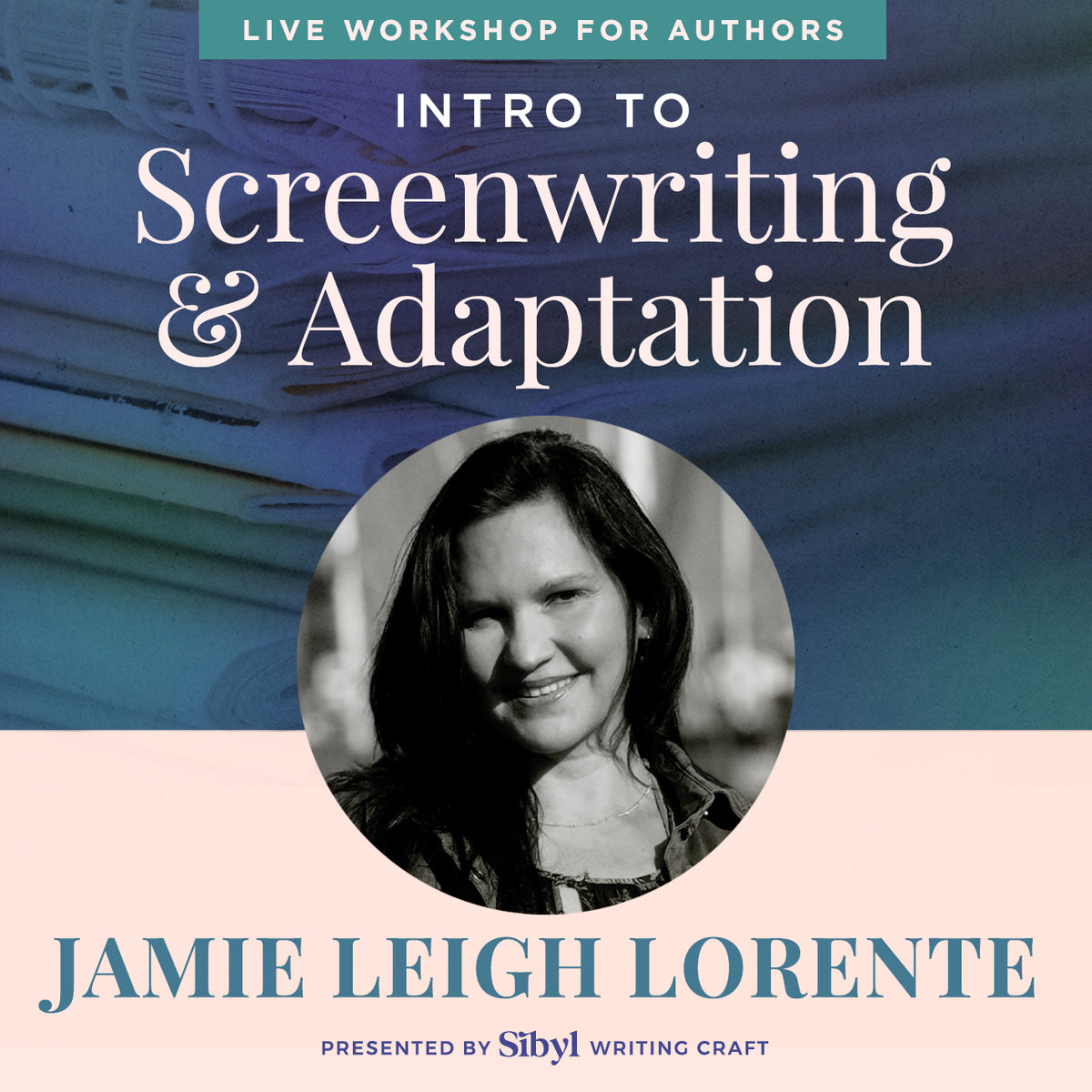
Intro to Screenwriting & Adaptation
Tuesdays, October 13–November 17, 2026 • 11am–1pm PT • 6 Week WORKSHOP
Choose options
Tuesdays, October 13–November 17, 2026 • 11am–1pm PT • 6 Week WORKSHOP
Tuesdays, October 13–November 17, 2026 • 11am–1pm PT • 6 Week WORKSHOP
You'll Walk Away With
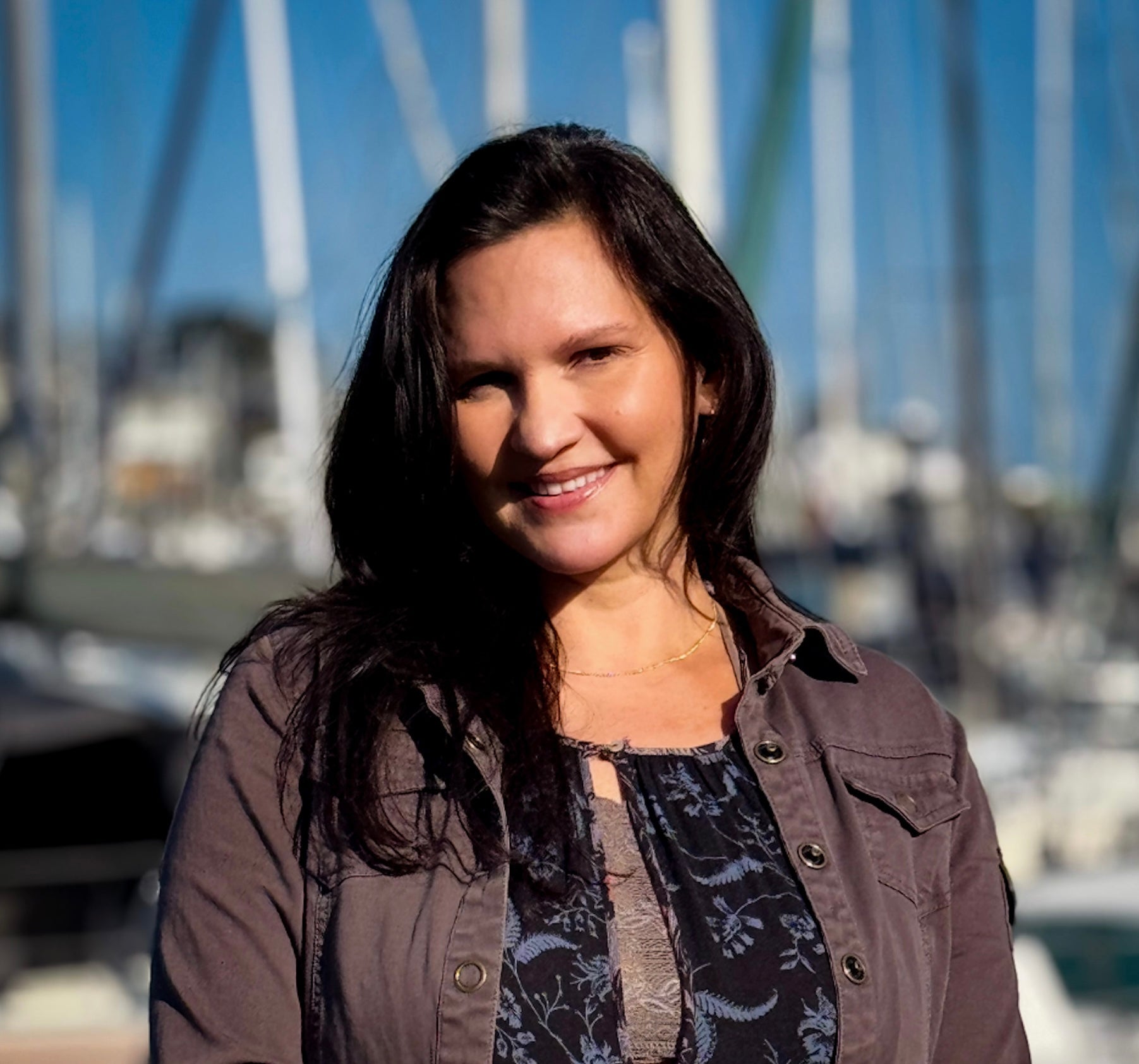
ABOUT YOUR INSTRUCTOR
Jamie Leigh Lorente
Your story already exists. Now discover what it can become on screen.
Sibyl Writing Craft Workshop FAQ
Yes! Most of our workshops are streamed live on Zoom, allowing you to learn in real time and interact with the instructor. If you can't make it, don’t worry—we will send you a link to watch or download the recording within 24 to 48 hours after the session ends.
Yes! If you can’t attend live (or want to revisit the material), you’ll receive a recording after the session. You can watch it on your own schedule.
Our webinars and workshops will have built in time for Q&A at the end. Some workshop instructors may respond to questions throughout the session, depending on the workshop format.
Many workshops include slides, worksheets, or resource lists that you can download and keep.
No preparation is required unless otherwise noted. Some instructors may offer optional prompts or materials to help you get even more out of the session.
Explore More Workshops and Webinars